Finding reliable chilled storage in Riyadh has become a business-critical decision in 2026, as the city’s food, pharma, and hospitality sectors expand faster than ever. This guide explains how temperature-controlled units work, what they cost, and how to choose a facility that protects your inventory around the clock.
Why Chilled Storage in Riyadh Matters More Than Ever
Riyadh sits in one of the hottest climates on earth, with summer highs regularly pushing past 45°C. Ordinary warehouses simply cannot hold produce, dairy, medicine, or cosmetics at safe temperatures during those months. That is exactly why demand for chilled storage in Riyadh keeps climbing across importers, caterers, and clinics alike.
Temperature-controlled units typically hold a steady range of 2°C to 8°C, which suits fresh vegetables, beverages, floral stock, and many pharmaceutical products. Keeping goods inside this band preserves quality, extends shelf life, and prevents costly spoilage.
According to the Food and Agriculture Organization of the United Nations, roughly one third of all food produced globally is lost or wasted, and poor cold-chain infrastructure is a leading cause. A dependable chilled facility directly reduces that loss for any Riyadh business handling perishables.
How Does Temperature-Controlled Storage Actually Work?
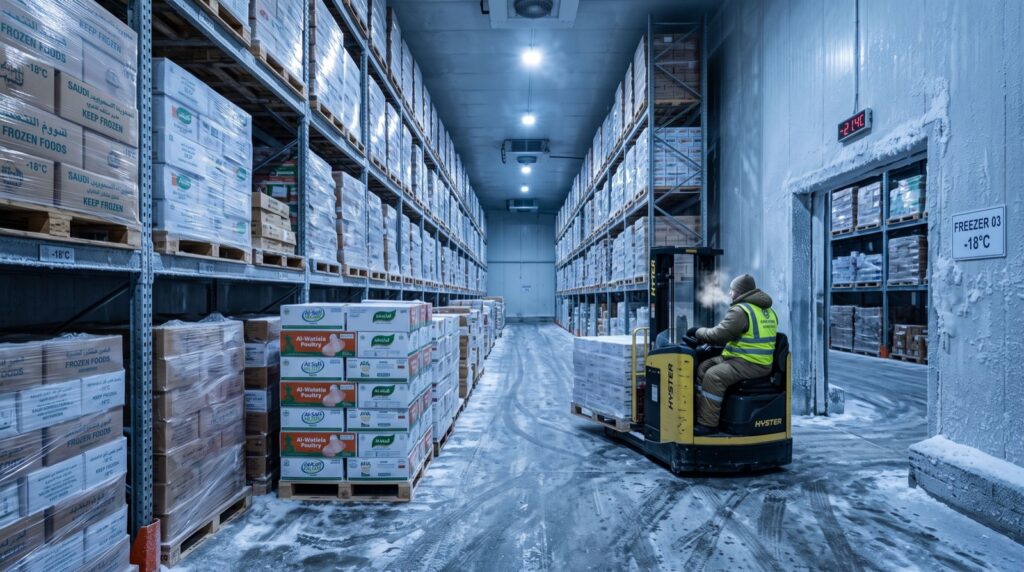
A modern chilled unit is far more than a large refrigerator. It combines insulated panels, industrial cooling systems, humidity control, and continuous monitoring to hold a precise environment regardless of the weather outside.
Facilities separate goods by temperature zone so that dairy, produce, and frozen items never share the same air. Sensors log conditions every few minutes, and alarms alert staff the moment a reading drifts out of range.
The Core Components
- Insulated envelope: High-density panels keep external heat out and cold air in.
- Redundant cooling: Backup compressors take over instantly if a primary unit fails.
- 24/7 monitoring: Digital loggers record temperature and humidity for full traceability.
- Backup power: Generators keep the chain unbroken during any grid outage.
For businesses that outgrow standard cold rooms, providers such as units.sa offer flexible Chilled Storage in Riyadh that scales up or down with seasonal demand, which is invaluable during Ramadan or major shopping peaks.
Who Needs Chilled Storage in Riyadh?
The customer base is broader than most people expect. Almost any organization that touches perishable or temperature-sensitive stock benefits from a dedicated cold facility.
- Restaurants and caterers holding bulk produce, meat, and prepared meals.
- Grocery importers receiving containers of fruit, vegetables, and dairy.
- Pharmacies and clinics storing vaccines and medicines within strict limits.
- Florists and event planners keeping flowers fresh before a big occasion.
- E-commerce brands shipping chocolates, cosmetics, or specialty foods.
Event organizers in particular face intense pressure to keep supplies fresh right up to the moment doors open. Renting short-term Storage for Event & Exhibition lets a team stage chilled catering, drinks, and floral displays near the venue without committing to a long lease.
Comparing Storage Temperature Ranges
Choosing the right zone is the single most important decision you will make. The table below summarizes common ranges and the goods each one suits best.
| Storage Type | Typical Range | Best For |
|---|---|---|
| Chilled | 2°C to 8°C | Produce, dairy, drinks, medicine |
| Frozen | -18°C or lower | Meat, seafood, ice cream |
| Ambient / Dry | 15°C to 25°C | Canned goods, packaging, textiles |
| Deep Freeze | -25°C to -30°C | Long-term frozen stock, some pharma |
Notice that chilled and frozen serve completely different purposes. Placing chilled goods in a freezer damages texture, while storing frozen items in a chilled room leads to thawing and rapid spoilage.
What to Look for When Choosing a Facility
Not every cold store offers the same reliability. Before you sign anything in 2026, run through a short checklist to confirm the provider can genuinely protect your inventory.
First, ask about power redundancy. A single generator failure can ruin an entire shipment, so insist on tested backup systems. Second, review their monitoring records. A serious operator shares temperature logs on request and welcomes audits.
Third, evaluate location and access hours. A unit near your distribution routes saves fuel and time, and round-the-clock access matters during peak trading. Working with quality service providers who understand these details keeps your supply chain smooth and predictable.
Practical Tip From the Field
One overlooked factor is door discipline. Every time a chilled room opens, warm air rushes in and the compressors work harder. Facilities that use air curtains, strip doors, and scheduled loading windows hold far steadier temperatures, which translates into lower energy bills and fresher stock for you.
Seasonal Demand: Planning Around Riyadh’s Peak Months
Demand for cold space in Riyadh is far from flat across the year. Certain months put enormous strain on facilities, and businesses that plan ahead avoid the scramble that catches their competitors off guard.
Ramadan is the clearest example. Food consumption patterns shift dramatically, caterers ramp up volume, and grocery importers stock heavily in the weeks before. Cold rooms fill quickly, so booking early is essential rather than optional.
Summer brings a second surge. As temperatures climb, beverage demand spikes and the risk of spoilage in any uncooled space rises sharply. Businesses that rely on last-minute rentals often pay premium rates or find no space at all.
The smartest operators forecast their peak needs three to four months in advance. They lock in flexible contracts that expand during high season and contract afterward, which keeps costs efficient while guaranteeing capacity when it counts most.
Energy Efficiency and Sustainability in 2026
Running a chilled facility consumes significant power, and in 2026 both costs and environmental awareness push operators toward smarter systems. This trend benefits customers directly through lower rates and greener supply chains.
Newer facilities invest in high-efficiency compressors, better insulation, and intelligent controls that adjust cooling to real demand instead of running flat out. Some pair these upgrades with solar power, which suits Riyadh’s abundant sunshine perfectly.
When you evaluate a provider, ask about their energy practices. A facility that manages power well is usually well managed overall, which signals reliability across every part of the operation. Efficient cooling also tends to hold temperatures more steadily, protecting your stock even during grid stress.
Frequently Asked Questions
How much does chilled storage in Riyadh cost?
Pricing depends on volume, temperature range, and rental duration. Short-term seasonal rentals cost more per day, while annual contracts lower the effective rate. Always request a quote based on your actual pallet count and access needs rather than a generic per-square-meter figure.
Can I store both chilled and frozen goods together?
No. Chilled and frozen items require separate zones because their temperature bands do not overlap. A quality facility provides distinct rooms so each product category stays in its correct range without compromise.
Is chilled storage safe for medicines?
Yes, provided the facility holds a steady 2°C to 8°C, logs conditions continuously, and maintains backup power. Many pharmaceutical products depend on this exact range, so confirm the provider follows documented cold-chain protocols.
How quickly can I rent space during a busy season?
Flexible operators can often onboard new stock within days, especially if you provide accurate volume estimates in advance. Booking early before Ramadan or major exhibitions guarantees availability when demand spikes.
Protect Your Inventory Today
Reliable chilled storage in Riyadh is no longer a luxury, it is the foundation of any business that handles perishable or temperature-sensitive goods in 2026. By choosing a facility with redundant cooling, honest monitoring, and flexible terms, you protect both your stock and your reputation. Reach out to a trusted provider now, request a tailored quote, and keep your cold chain unbroken from delivery to doorstep.